
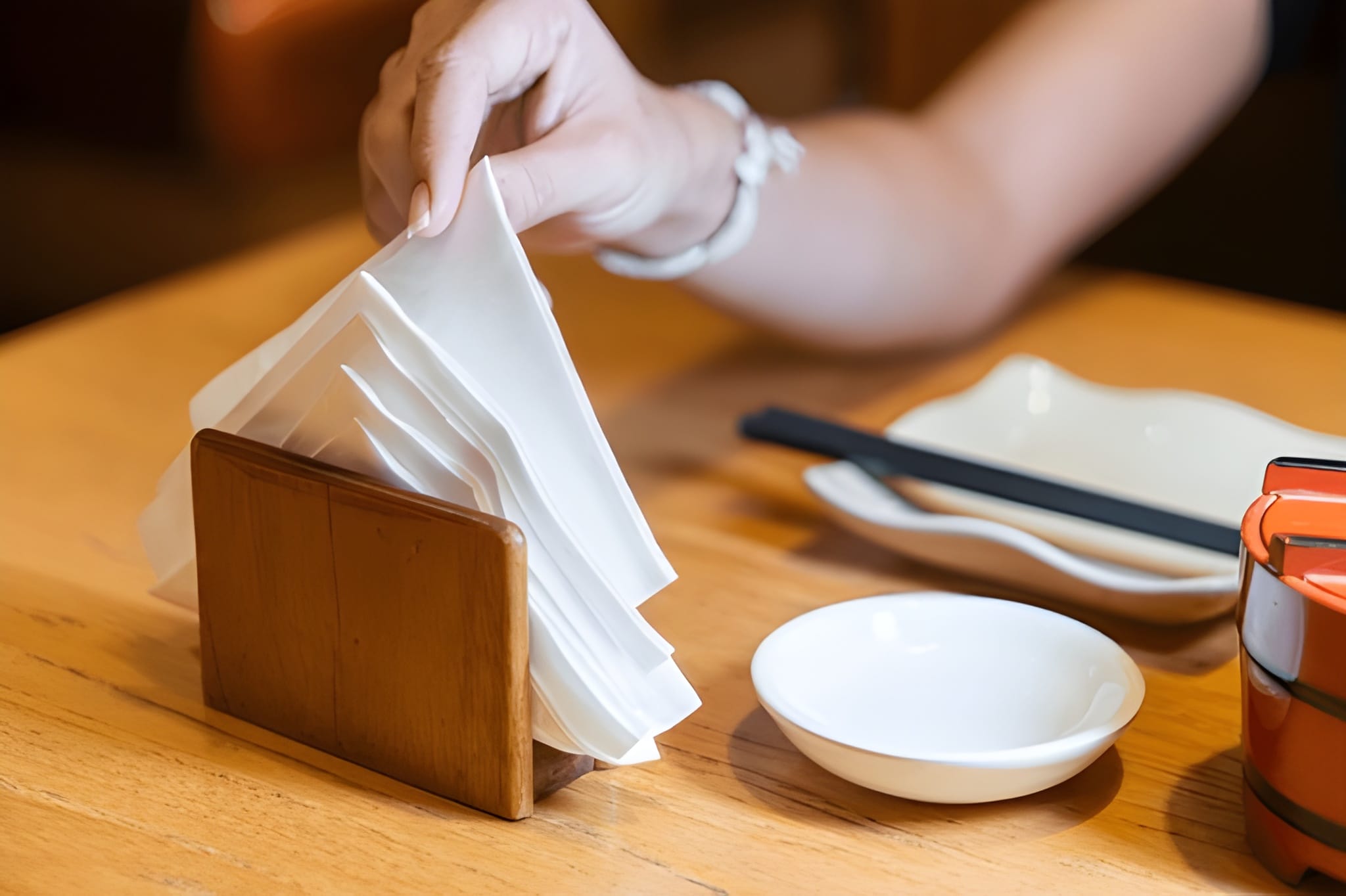
Napkin production may seem simple, but it actually requires a lot of energy. Napkin energy efficiency is an important issue, especially as we look for ways to reduce our harmful impact on the planet. By focusing on sustainable practices like using recycled paper, companies can cut down on the energy used in production and lower their carbon footprint. B.E. Green napkin company is doing just that, leading the way with energy-efficient methods and offering high-quality, eco-friendly napkins. In this blog, we’ll explore how small changes in napkin production can make a big difference for the environment.
Key Takeaways:
- Reducing energy use in napkin production helps protect the environment.
- Using recycled paper can cut energy consumption by up to 60%.
- B.E. Green Napkin Company leads the way with eco-friendly practices.
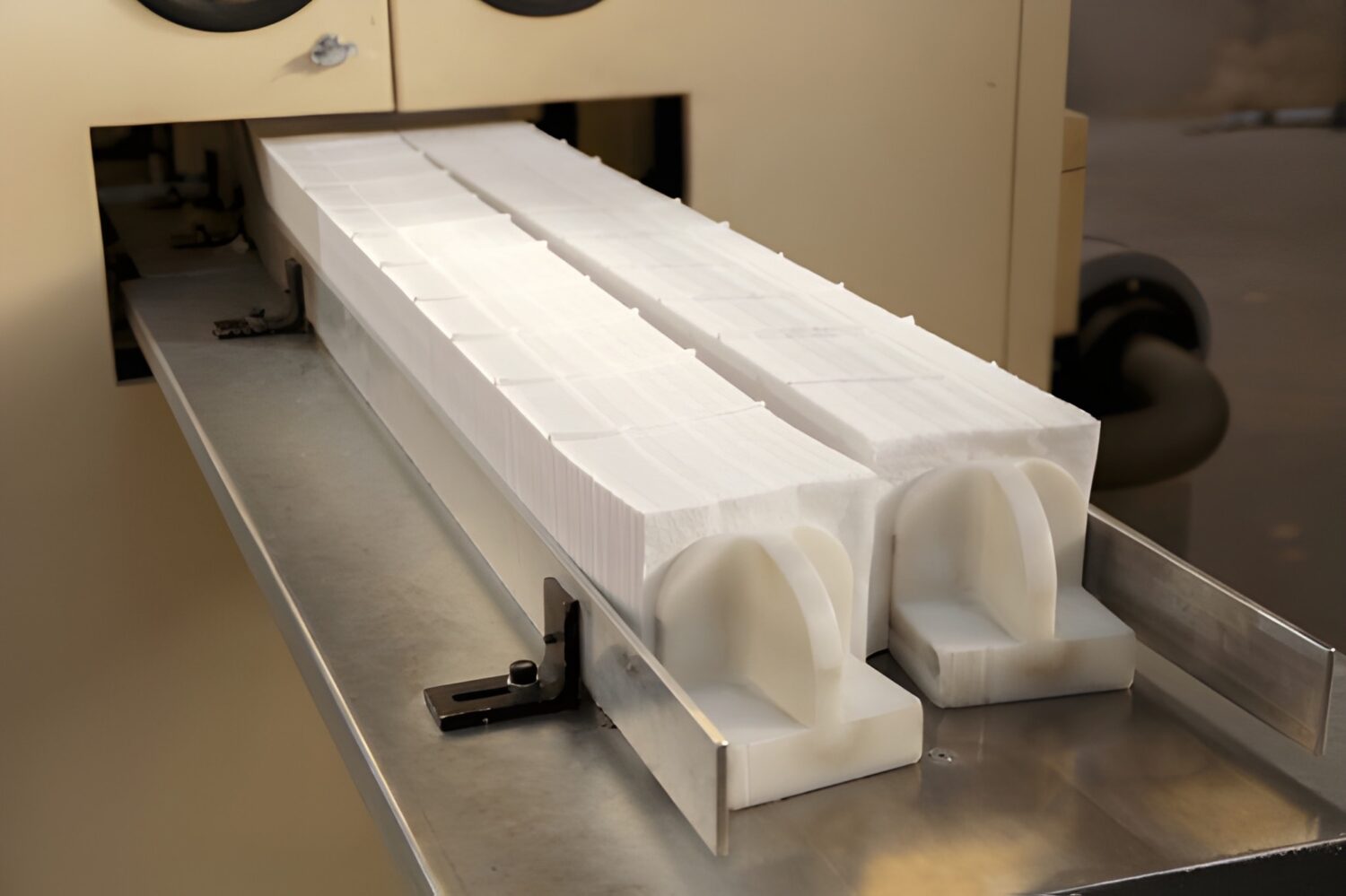
Understanding Napkin Energy Efficiency in Napkin Manufacturing
Making napkins, especially disposable paper napkins, uses a lot of energy. The production process involves several steps, like pulping the wood, drying, and pressing, all of which require energy. These steps help turn raw materials into the paper products we use every day.
The pulp and paper industry is one of the top energy users in the world, making up about 6% of the total industrial energy consumption. This means producing paper napkins as well as cloth napkins takes up a lot of resources. However, using recycled paper can help save energy by reducing the need for these energy-intensive processes.
At B.E. Green, we focus on eco-friendly napkin production by using recycled paper. This helps lower the energy consumption needed for producing high-quality paper napkins—all while offering a more sustainable living alternative to disposable paper products.
Strategies for Reducing Energy Use in Napkin Production
Reducing energy consumption in napkin production is essential for both environmental sustainability and cost savings. Here are some simple strategies to make napkin manufacturing more energy efficient:
Utilizing Recycled Materials
Using 100% recycled paper in napkin production can reduce energy consumption by up to 60%. This is because making recycled paper uses only about 40% of the energy required to produce paper from virgin wood pulp. For instance, producing one ton of paper from recycled materials saves between 3,000 and 4,000 kilowatt hours compared to making paper from virgin wood.
Recycling paper also helps preserve trees. For every ton of paper waste prevented, 15 to 17 mature trees are saved. By using recycled paper, we reduce energy consumption and help protect natural resources, making it an eco-friendly choice for businesses and consumers alike. (Source: US EPA)
Optimizing Manufacturing Processes
By investing in energy-efficient machinery and streamlining the production process, napkin manufacturers can significantly reduce energy use. This includes reducing energy waste and making the process quicker and more cost-effective, especially for products like disposable paper napkins or cotton napkins.
Adopting Renewable Energy Sources
Switching to renewable energy, like solar or wind, helps reduce reliance on traditional, energy-intensive power sources. This move not only supports sustainability but also cuts down on long-term energy costs, benefiting the entire dining experience with eco-friendly napkins.
Waste Heat Recovery
Using waste heat recovery systems can capture excess heat from production and use it to power other parts of the manufacturing process. This reduces overall energy consumption and minimizes the need for additional power, making it a win for both the environment and the bottom line.
Benefits of Energy-Efficient Napkin Production
Adopting energy-efficient practices in napkin production offers significant benefits for both the environment and businesses. Here are some of the key advantages:
Environmental Impact
Energy-efficient production reduces the carbon footprint of napkin manufacturing, helping to conserve valuable resources. By using recycled paper and sustainable methods, less energy is consumed, which helps preserve the environment. Napkin waste is also minimized, reducing the amount of waste that ends up in landfills.
Economic Advantages
Energy-efficient practices can lead to substantial cost savings. Using renewable energy sources, like solar or wind, and optimizing production processes lowers long-term energy costs. This makes disposable napkins and other eco-friendly products more cost-effective.
Brand Image
Adopting energy-efficient methods can boost a company’s reputation, particularly among eco-conscious consumers. Brands offering environmentally friendly products, like organic paper napkins, show a commitment to sustainability, which resonates with today’s consumer preferences.
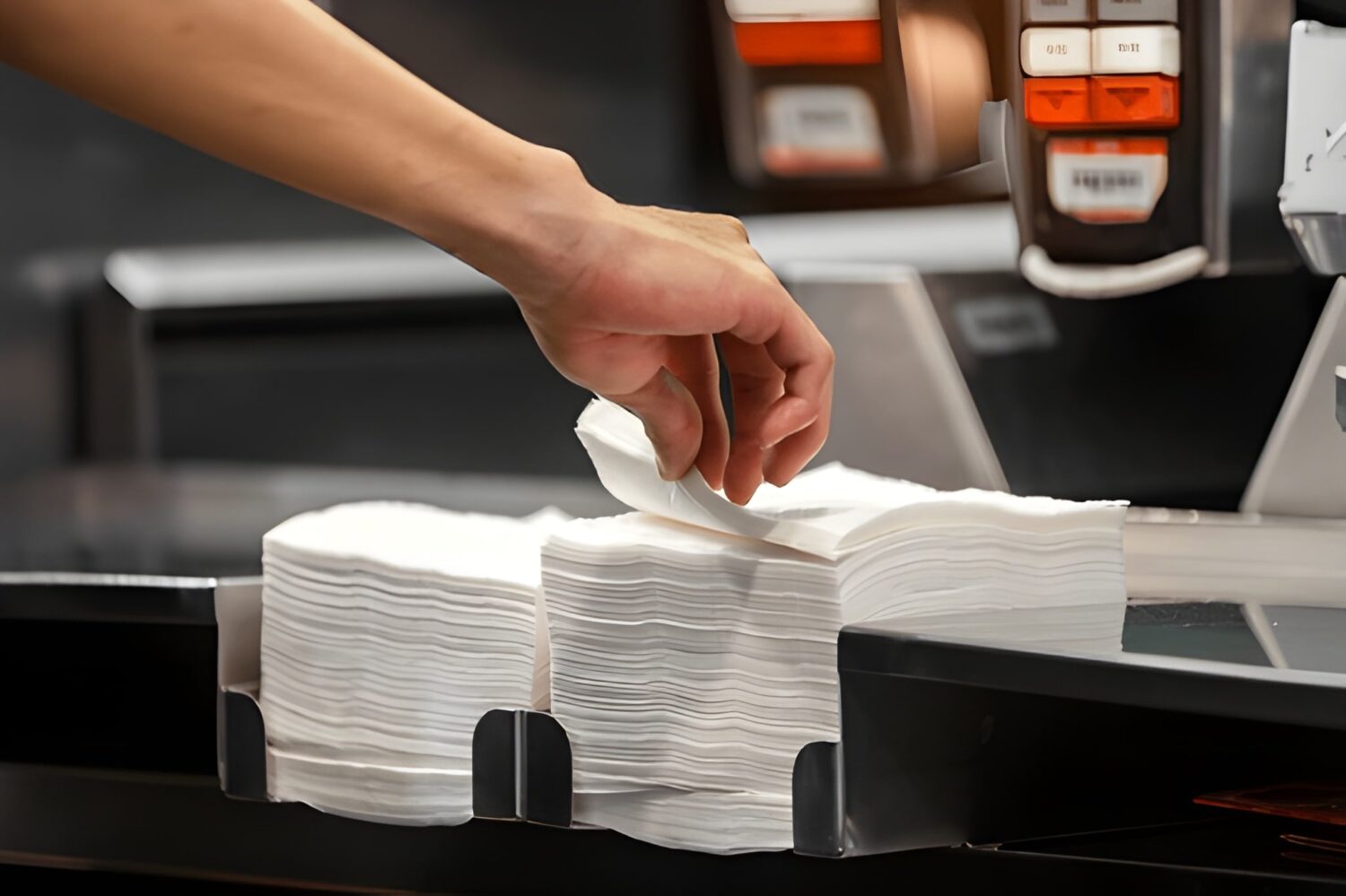
B.E. Green’s Commitment to Energy Efficiency
At B.E. Green, sustainability is a top priority. We use energy-efficient machinery to reduce energy consumption during production, which helps minimize our environmental impact. Our goal is to make sure that each of our napkins is not only of the highest quality but also produced with the planet in mind.
We also rely on renewable energy sources to power our production processes, ensuring that we’re doing our part to lower the carbon footprint. This commitment makes our eco-friendly napkins perfect for special occasions or any dining setup that prioritizes sustainability.
By using recycled materials and focusing on energy savings, we offer cost-effective and environmentally friendly alternatives. Whether you’re using napkins in bulk for an event or opting for reusable napkins, B.E. Green provides the right solutions to support a greener world.
Frequently Asked Questions (FAQ)
How does using recycled paper reduce energy consumption?
Using recycled paper requires less energy because it eliminates the need for pulping and reduces drying times. This makes the production process more energy-efficient compared to using virgin materials.
What are the environmental benefits of energy-efficient napkin production?
Energy-efficient napkin production helps reduce greenhouse gas emissions, conserves natural resources, and cuts down on waste. It’s a great way to make your table setting more eco-friendly while supporting sustainability.
How can businesses implement energy-efficient practices in napkin production?
Businesses can reduce energy consumption by investing in energy-efficient machinery, optimizing their production processes, and using renewable energy to power their operations. This leads to economic benefits while being good for the environment.
Conclusion
Energy efficiency is essential for reducing environmental impact and promoting sustainability. By choosing eco-friendly napkins made from recycled materials and produced using energy-efficient processes, B.E. Green is setting a new standard. Whether you’re planning a formal dinner party or a more casual and formal gathering, our paper napkins provide a cost-effective and environmentally friendly solution.
Ready to make a change? Choose B.E. Green Napkin Company for your next event and enjoy high-quality napkins that not only enhance your table setting but also support a greener world. Order now and join the movement toward a more sustainable future!