As a parent, you’re always concerned about what’s safe for your kids, especially with the products they use daily. Paper napkins are a go-to for cleaning up messes or hosting parties, but with so many options, it’s hard to know which are truly safe. It’s common to have questions like are paper napkins good for children, and can they manage spills without harmful chemicals or bacteria. The short answer is yes. Paper napkins can be a safe, practical, and eco-friendly solution for kids, but only when you know what to look for.
In this guide, we’ll break down the key factors you need to consider, from health and chemical safety to hygiene and environmental impact, so you can make the best choice for your family.
Key Takeaways
- Hygiene: Paper napkins provide a hygienic and convenient solution for quick clean-ups.
- Health and Safety: Choose paper napkins made from food-safe materials and non-toxic inks for your child’s protection.
- Eco-Friendly: Choose recycled paper napkins to help reduce waste and support a sustainable future.
For a safe and eco-friendly choice, B.E. Green offers high-quality, sustainable napkins that are perfect for your family. Read on to find out why choosing the right napkin is so important.
What “Good” Means When Choosing a Paper Napkin for Children
Choosing paper napkins for children doesn’t have to be difficult, but it’s important to keep a few key factors in mind. You want to make sure the napkins are safe, gentle, and environmentally friendly. That’s what basically good napkins mean. Here’s what to look for when choosing the best paper napkins for your little ones:
Ideal Features vs. Red Flags
|
Feature |
What to Look For |
Why It Matters (for Children) |
|
Non-toxic inks |
Choose napkins with food-safe, non-toxic inks developed for indirect food contact. |
Protects your child from harmful chemicals and allergies |
|
Recycled content |
Look for napkins made from 100% recycled paper |
Reduces waste and conserves natural resources |
|
Biodegradable |
Opt for biodegradable napkins |
Safe for the environment; breaks down naturally without pollution |
|
Soft texture |
Ensure napkins are soft and hypoallergenic |
Prevents irritation and discomfort on delicate skin |
|
Chemical-free |
Avoid napkins made with chlorine or harsh chemicals |
Reduces the risk of irritation and allergies in sensitive children |
Health & Chemical Safety of Paper Napkins Around Kids
When selecting paper napkins for your little one, it’s crucial to pay attention to the materials used, especially the inks and dyes. Tissue paper for children should be free from harmful chemicals that could irritate their delicate skin or come into contact with their mouths.
Ink, Dyes, and Food-Contact Concerns
Some brightly colored paper napkins, particularly those with vivid designs, can release primary aromatic amines (PAAs) into food, which can be harmful if ingested or absorbed through the skin. Since children often have napkins near their mouths or food, this can increase exposure risk. To avoid this, always choose non-toxic inks and safe dyes for your child’s napkins.
What the Research and Regulations Say
Studies from the Food Packaging Forum found that certain colored napkins exceeded the allowed limit of 0.01 mg/kg of PAAs. While this does not apply to all napkins, it shows why parents should select food-safe tissue paper for everyday use. Products that meet safety standards are considered low-risk, but it is still helpful to check for clear material information.
What to Focus on When Selecting Napkins for Your Child
- Non-toxic inks that are approved for indirect food contact
- Recycled paper that is processed without chlorine
- Transparent brands that share details about their materials and production
Keeping these points in mind makes it easier to choose napkins that are safe on sensitive skin, gentle for frequent use, and reassuring for parents who want a cleaner option for their family.
Hygiene, Practicality, and Suitability for Children
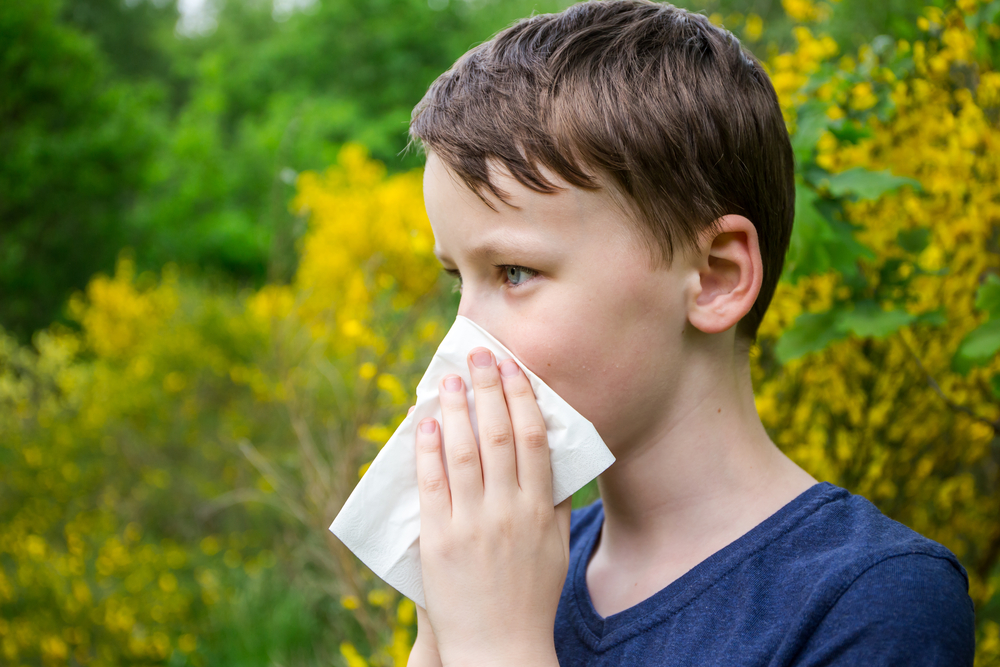
Keeping kids clean during meals or parties can feel never-ending, which is why single-use paper napkins are such a helpful choice. They offer a hygienic way to handle spills, especially when little ones tend to touch their face or rub their nose without thinking. Unlike a paper towel or a reused cloth option, a fresh napkin is always clean and ready to use, giving parents peace of mind.
When compared to cloth, the difference is clear. Cloth holds germs longer, needs regular washing, and becomes another chore on your list. Single-use napkins help you avoid that buildup and make clean-ups faster. This is especially useful when you’re teaching your children good habits around food and hygiene. And since tissue paper is safe when made with non-toxic materials, it’s a practical choice for everyday use.
Here are a few simple tips to keep things smooth when buying paper napkins for kids’ events or daily meals:
- Choose 3-ply for durability because thicker sheets offer better softness and reduce the chance of tearing during spills.
- Select designs and sizes that fit little hands, making it easier for them to clean up without feeling overwhelmed.
- Have extras ready, so you’re prepared for unexpected messes or for a child who may be allergic to certain materials and needs a fresh napkin.
- Switch to compostable options so you can dispose of them quickly or compost them after use, depending on your environmental priority.
With the right selection, paper napkins become an easy, efficient tool for busy families. They help keep things tidy without the fuss of washing fabric and offer a cleaner, more convenient option for your child’s daily routine.
Sustainability and Recycled Paper Napkins for Young Families
For families raising kids, choosing products that care for the planet is more important than ever. Every small switch matters, and opting for recycled paper napkins is one of the simplest ways to support a cleaner future for your children. These napkins reduce waste, save natural resources, and help protect the environment your kids will grow up in.
Recycled napkins use far fewer natural materials than napkins made from new fiber. Instead of cutting trees, companies like B.E. Green reuse sustainably reclaimed paper. Their process uses about 1.1 tons of reclaimed paper to make one ton of new napkins, which helps save trees and lowers the demand for new materials.
Cloth napkins may seem eco-friendly at first, but they need to be washed regularly, which requires more water, more energy, and more detergent. For busy families, this adds extra work and can sometimes cause rash or irritation if the detergent isn’t rinsed well. There’s also a higher chance of spreading infection if cloth napkins aren’t washed properly. Recycled paper napkins avoid those problems while staying easy and convenient.
Below is a simple comparison to help you see the difference.
Environmental Footprint Comparison
| Napkin Type | Resource Use | Ongoing Impact | Best For |
| Virgin fiber single-use napkins | Made from new trees | More waste | Occasional use |
| Recycled paper single-use napkins | Made from reclaimed fiber | Less waste and energy use | Kids’ daily meals and events |
| Cloth napkins | No paper waste, but frequent washing | Higher water and detergent use | Adult-only occasions |
Choosing recycled napkins is an easy way to stay mindful of the planet while still keeping mealtimes simple. And because B.E. Green uses reclaimed materials and responsible printing, it’s a choice that supports both your child and the environment.
Safety and Usage Guidelines for Different Age Groups
Every age group has different needs when it comes to paper napkin safety. Here’s how to choose and use napkins in a way that keeps your child safe, comfortable, and confident during mealtime or parties.
Toddlers and Infants
Children under three explore everything with their mouths, so napkin safety matters a lot.
- Avoid letting little ones chew or tear napkins, as this can be a choking hazard.
- Choose thicker, plain napkins with minimal ink so there’s less chance of irritation.
- Supervise closely and keep napkins out of reach when not in use.
- If you prefer natural options, choose napkins made from safe fibers rather than bamboo or materials that shed easily.
Young Children (4–10 Years)
Kids in this age range can handle napkins better, but still need simple guidance.
- Encourage them to use one napkin at a time to avoid waste.
- Avoid wrapping food in napkins that have heavy printing or bold colors.
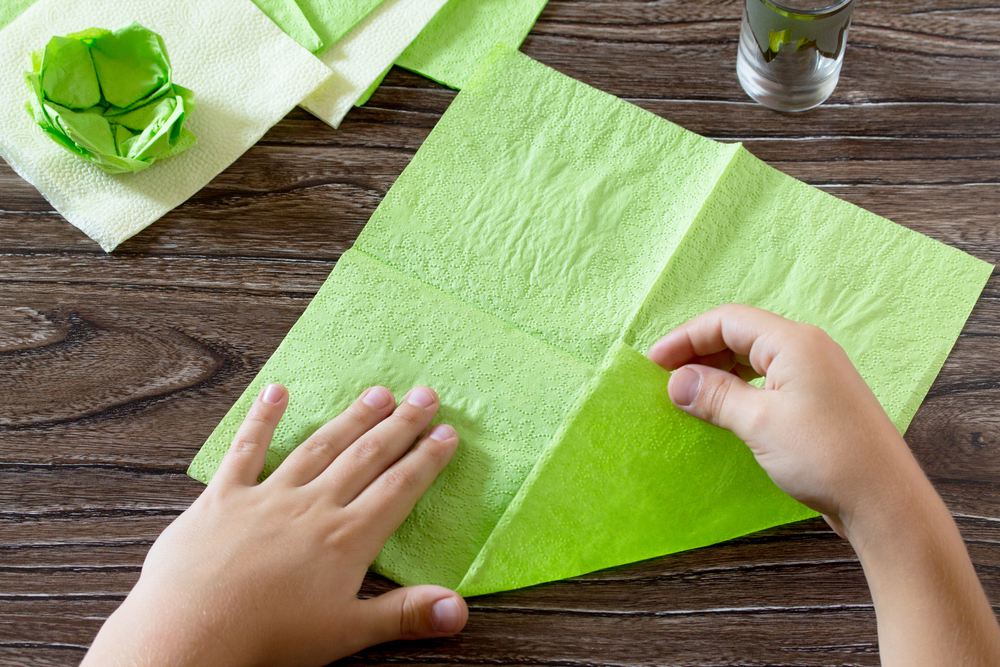
- Show them how to fold and use a napkin during meals so it becomes a comfortable routine.
- Choose napkins with a soft texture to prevent irritation on sensitive skin.
Older Children and Party Events
For older kids, fun designs are great, as long as safety is kept in mind.
- Choose printed napkins with clear information on ink safety and recycled content.
- Look for strong, high-quality napkins that won’t fall apart during activities.
- Keep plenty of disposable napkins on hand at parties so kids can grab fresh ones easily.
- Avoid overly thin napkins that tear quickly and create more mess than they solve.
What to Look for in a Child‑Friendly Paper Napkin (And What to Avoid)
Choosing safe napkins for kids becomes much easier when you know what matters. Here is a simple checklist to guide your selection for everyday meals, playdates, or big celebrations.
What to Look For
- Recycled content or FSC certified paper to support safer, eco-friendly production
- Food-contact safe inks or designs with minimal dye to reduce exposure to unnecessary chemicals
- No chlorine bleaching or harsh treatments, which keeps the napkin safer for sensitive skin
- Appropriate size, such as cocktail napkins for small hands or guest towel sizes for larger meals
- Quick fulfillment, especially when preparing for last-minute kids’ events or parties
- Free shipping or low minimums, which helps parents and planners avoid buying more than they need
What to Avoid
- Heavy dye, especially bright red or orange prints
- Very thin 1-ply napkins that tear easily and create more mess
- Brands that do not list materials or ingredients clearly
- Products without any mention of food-contact safety or responsible printing
Quick Comparison Guide
| Feature / Indicator | Good Sign | Warning Sign |
| Paper Source | Recycled or FSC certified | No sourcing information |
| Ink Safety | Food-safe, minimal dye | Heavy, bright prints with unclear ink safety |
| Construction | Soft, sturdy 2-ply or 3-ply | Thin 1-ply that tears easily |
| Brand Transparency | Clear details on materials and processing | Vague or missing product details |
Keeping these points in mind makes choosing a child-friendly paper napkin much easier. When you know what signs to look for and what to steer clear of, you can feel confident that the napkins you bring home are safe, sturdy, and comfortable for your child to use.
If you prefer a worry-free option, B.E. Green offers thoughtfully made, recycled, indirect food contact-safe napkins that take the guesswork out of your selection. It’s an easy way to support your family’s needs while choosing responsibly.
Summary and Final Thoughts: Is Paper Napkin Good for Children?
Paper napkins can be a safe and practical choice for children when they’re made with recycled materials and printed with water based inks. They offer an easy, hygienic way to manage daily messes, parties, and family events without adding extra work. The key is choosing napkins designed for safety, gentle use, and sustainability, and supervising little ones who may chew or tear them.
Ready to choose safer and eco-friendly napkins for your family or next event? Contact B.E. Green today to customize your order and enjoy sustainable, affordable options made with care. Email us at contact@begreennapkins.com or call 888-370-4544.
FAQs
Are paper napkins okay for kids with sensitive skin or eczema?
Yes, as long as you choose napkins that feel soft and avoid added fragrance. Children with eczema or easily irritated skin may react to rough or low-quality paper products, so choosing gentle options made from natural materials helps keep their skin calm and comfortable.
Can paper napkins be used to teach children simple clean-up habits?
Absolutely. Showing your child how to use a tissue during meals makes clean-up easier and builds good routines. It also helps them stay aware of hygiene without relying on a baby wipe for every use.
Are paper napkins safe if my child wraps snacks in them instead of using cloth napkins?
Yes, as long as the napkins are labeled as food-safe. This makes them a good substitute when you prefer not to use cloth napkins or cotton fabric, especially during busy days or travel.
How do I choose paper napkins that avoid synthetic materials or unnecessary additives?
Check the packaging for terms like recyclable, made from natural fiber, or additive-free. These clues help you avoid napkins made with synthetic materials that may feel rough or cause discomfort.
Do recycled napkins break down quickly after disposal?
Recycled napkins generally decompose faster than conventional options because they contain fewer additives and create less waste. They are an efficient choice for families who want to stay environmentally conscious.