
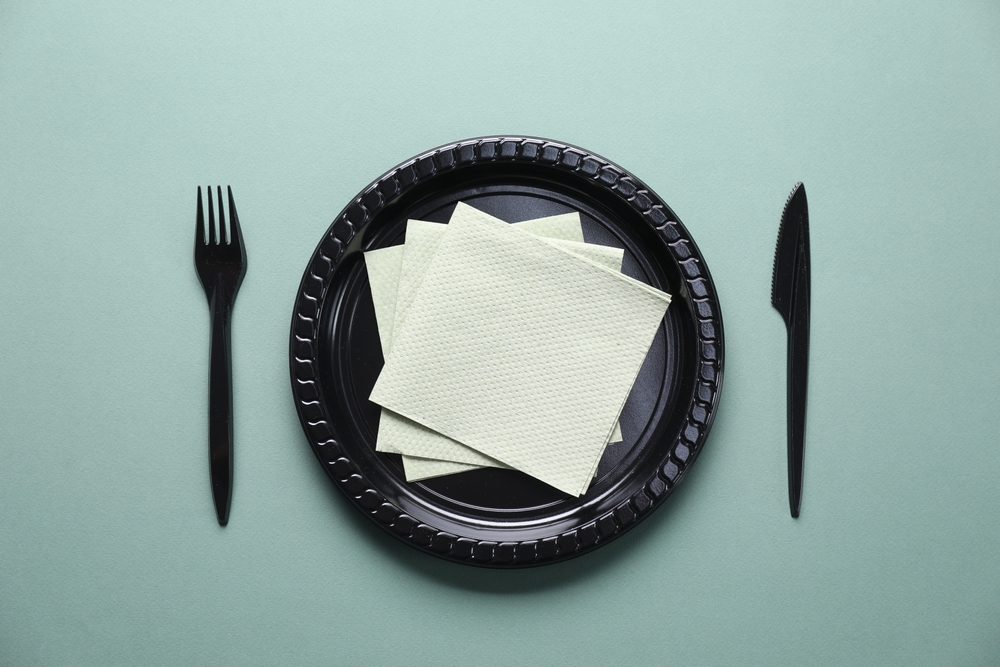
A family gathers under a big oak tree, spreading a blanket on the sunny park lawn. The kids run off to play while the parents unpack sandwiches, drinks, and snacks. As they settle in, someone reaches for the napkins — disposable paper napkins, ready for the inevitable crumbs and spills.
Disposable napkins for picnics are important for you because they offer a convenient, hygienic, and practical solution for managing spills, crumbs, and messes during outdoor meals. Whether at a barbecue, outdoor party, or casual gathering, they help maintain cleanliness and ensure a hassle-free experience by eliminating the need for washing cloth napkins.
Additionally, disposable napkins are lightweight, portable, and easy to dispose of, making them a great option for on-the-go events. With eco-friendly options like recycled and compostable varieties, they also provide an environmentally responsible choice, balancing convenience with sustainability.
Key Takeaway
- Disposable paper napkins provide hassle-free cleanup and maintain cleanliness at outdoor events, eliminating the need for washing.
- Recycled and compostable napkins minimize environmental impact and provide eco-friendly disposal options.
- Proper disposal, like composting or trashing, helps maximize environmental benefits and minimize waste.
Why Paper Napkins Work So Well for Outdoor Meals
Convenience & Portability
Paper napkins, especially disposable options, are lightweight, easy to pack, and require no folding, ironing, or laundry. Whether you’re enjoying a picnic, beach lunch, or road-trip snacks, disposable napkins make outdoor entertaining effortless. Their portability and disposable nature ensure you can focus on the occasion rather than the mess.
Hygiene and Single-Use Cleanliness
Single-use disposable napkins eliminate the risk of reusing a dirty cloth, making them perfect for outdoor entertaining when water is limited. For messy foods like sandwiches, sauces, and finger foods, paper napkins save the day. They’re not only practical but also offer a hygienic solution, ensuring you can keep your hands and table clean without worry.
Flexibility & Multiple Uses
Napkins can serve a variety of roles—whether as napkins, quick wipes for hands or plates, makeshift coasters, or even small “trash catchers” for your outdoor meals. After use, you simply fold and toss them, making them ideal for any outdoor event. With their absorbent quality and elegant design, disposable napkins offer both practicality and style for any gathering.

Eco‑Friendly Disposable Napkins: What to Look For & Why It Matters
Recycled Paper & Responsible Sourcing
Using recycled paper for disposable napkins, including decorative paper napkins, helps to lessen pressure on virgin timber and deforestation (ClimateSort). Recycled napkins consume significantly less energy than virgin paper production, making them a more sustainable choice. Opting for recycled paper napkins can elevate your dinner or party setting while also being eco-conscious, without compromising on quality or price.
Compostable and Biodegradable — Better for Nature
Many paper napkins, especially unbleached, chemical-free varieties, break down in compost or soil within weeks to a few months. Choosing compostable options for your dinner napkins or cocktail napkins helps divert waste from landfills and reduces methane emissions associated with landfill decomposition (Brown Recycling Limited). These biodegradable napkins are a luxurious, environmentally friendly touch for your luncheon or outdoor entertaining needs, offering a climate-friendly alternative to traditional options.
Avoiding Harmful Chemicals
To ensure your paper napkins are truly eco-friendly, choose those free from chlorine bleach, plastic coatings, or synthetic inks (Wastenot Compost). This ensures safe composting and minimizes environmental toxins, making your dinner or party gatherings both beautiful and environmentally responsible. Whether you’re using decorative paper napkins or square luncheon napkins, selecting chemical-free products contributes to a safer, toxin-free environment for your guests.
Paper Napkins vs Other Options (Cloth & Virgin-Fiber) for Outdoor Use
When it comes to outdoor meals, choosing the right napkin is key to convenience, cleanliness, and sustainability.
Here’s a quick comparison between paper napkins, virgin-fiber napkins, and recycled & compostable paper napkins, highlighting why eco-friendly paper napkins often make the most sense for outdoor adventures.
| Feature | Paper Napkins | Virgin-Fiber Napkins | Recycled & Compostable Paper Napkins |
| Eco-Friendliness | Typically not eco-friendly, made from virgin wood fibers | Often made from virgin fibers, which are less eco-friendly | Made from recycled paper, compostable, biodegradable |
| Convenience | Disposable, no cleanup required | Requires washing and folding | Disposable, no cleanup required, eco-friendly |
| Portability | Lightweight, easy to pack | Bulkier, takes up more space | Lightweight, easy to pack, ideal for outdoor use |
| Durability | Soft, absorbent, but single-use | More durable, but requires maintenance | Soft, absorbent, and durable enough for one-time use |
| Price | Affordable, cost-effective for large gatherings | Typically, more expensive due to the material and care | Slightly higher price, but still cost-effective for eco-conscious events |
| Hygiene | Single-use, no risk of reusing dirty cloths | Reusable, but must be cleaned after every use | Single-use, no risk of reusing dirty cloths |
| Environmental Impact | Can contribute to deforestation and waste | Often contributes to deforestation and uses more energy in production | Low environmental impact, limit waste, compostable |
Paper napkins offer a balance of disposable convenience, lower environmental cost, and composability. They’re the best choice for anyone looking to enjoy outdoor meals without sacrificing sustainability. Perfect for picnics, beach outings, or any outdoor event, these eco-friendly options help reduce waste.
Practical Advice — How to Use Disposable Napkins for Picnics or Outdoor Adventure
Here’s some practical advice on how to make the most of disposable napkins during outdoor adventures:
- Estimate how many napkins you need per person, depending on the meal type. For a simple picnic, 2–4 napkins per person should suffice, but bring more if you’re serving messy foods or drinks.
- Bring a small trash or compost bag to separate food waste and used napkins for composting, ensuring an easy process and reducing environmental impact.
- If using printed or branded napkins, make sure the inks and coatings are compostable and eco-friendly, especially if you plan to dispose of them in compost.
- After use, compost unbleached and clean napkins whenever possible. If composting isn’t an option, dispose of them responsibly in the trash.
- For events, always pack extra napkins for kids or unexpected spills, and plan your disposal ahead—bring a compost bin, trash bag, or recyclables based on local disposal rules.
Why Eco‑Friendly Disposable Napkins Make Sense — Even for Eco-Conscious People
Recycled paper napkins reduce demand for virgin wood pulp, lowering energy and water consumption compared to making new paper from trees (Greenwave Recycling Inc.). Compostable napkins provide a low-impact disposal route, breaking down naturally and turning waste into soil instead of adding to landfill burden (Gardening Know How). For many outdoor uses, eco-friendly disposable napkins combine hygiene with sustainability, allowing you to enjoy meals without guilt or waste buildup. Choosing these napkins supports circular economy values by promoting waste reduction, the use of renewable materials, and responsible consumption, making them a great choice for eco-conscious consumers.

Frequently Asked Questions (FAQ)
Are paper napkins really compostable?
Yes, if they’re unbleached, free from plastic/coatings, and composted properly, many paper napkins break down in a few weeks to a few months, depending on conditions.
Can I recycle used napkins in my regular recycling bin?
Generally, no. Used napkins are often contaminated with food/oil, and their short fiber content makes them unsuitable for typical recycling programs. Composting is the preferred disposal route.
Aren’t cloth napkins better for the environment since they’re reusable?
For indoor, regular use, cloth napkins can be a great option over time, but for outdoor events or single-use scenarios like barbecues and beach outings, paper napkins are a better option as they provide cleanliness and eliminate the need for washing or maintaining fabric.
What should I look for when buying napkins for picnics?
When buying napkins for picnics, look for options with recycled content, unbleached or chlorine-free paper, and compostable or biodegradable materials. Eco-friendly inks and portability are also important for easy disposal and minimizing environmental impact. These features ensure a sustainable and convenient choice for outdoor events.
How many napkins should I pack for a picnic?
For a light meal, pack 2–4 napkins per person; bring more if you’re serving messy foods or planning a longer meal. It’s always a good idea to pack extra to be prepared for spills and extra cleanup.
How should I dispose of used napkins after the picnic?
The best way to dispose of used napkins after a picnic is to compost them if they are clean and uncoated, as they will break down naturally. If composting isn’t an option, dispose of them in the trash, ensuring they don’t contaminate recycling streams. Avoid placing used napkins in recycling bins to maintain proper recycling practices.
Summary
For outdoor meals, disposable paper napkins provide key benefits like hygiene, ease of use, and disposability. When chosen responsibly—such as recycled or biodegradable options—they also promote sustainability. Eco-friendly napkins, like recycled and compostable varieties, are the ideal choice for outdoor events, offering a perfect balance of practicality, elegance, and environmental responsibility.
Explore B.E. Green’s napkin lineup for sustainable, stylish custom napkin options —perfect for your table setting or drink station. Remember to dispose of used napkins responsibly, either by composting or placing them in the trash, to maximize their positive impact on the environment.
Choose eco-friendly napkins for your next outdoor event—explore B.E. Green’s sustainable options today!